IF THESE WALLS COULD TALK
CHICAGO ATHLETIC ASSOCIATION: A HISTORIC CHICAGO HOTEL
For more than 130 years, 12 S. Michigan Avenue has stood at the heart of Chicago, overlooking what is now Millennium Park. Built in 1893 as an elite men’s athletic club, this Venetian Gothic landmark quickly became one of the city’s most celebrated gathering places. Today, the Chicago Athletic Association blends restored architecture, original craftsmanship, and historic character with modern hospitality, celebrated dining, and inventive experiences, welcoming guests and locals alike to discover its storied past and spirited sense of community.
A CLUB FOR A GROWING CITY
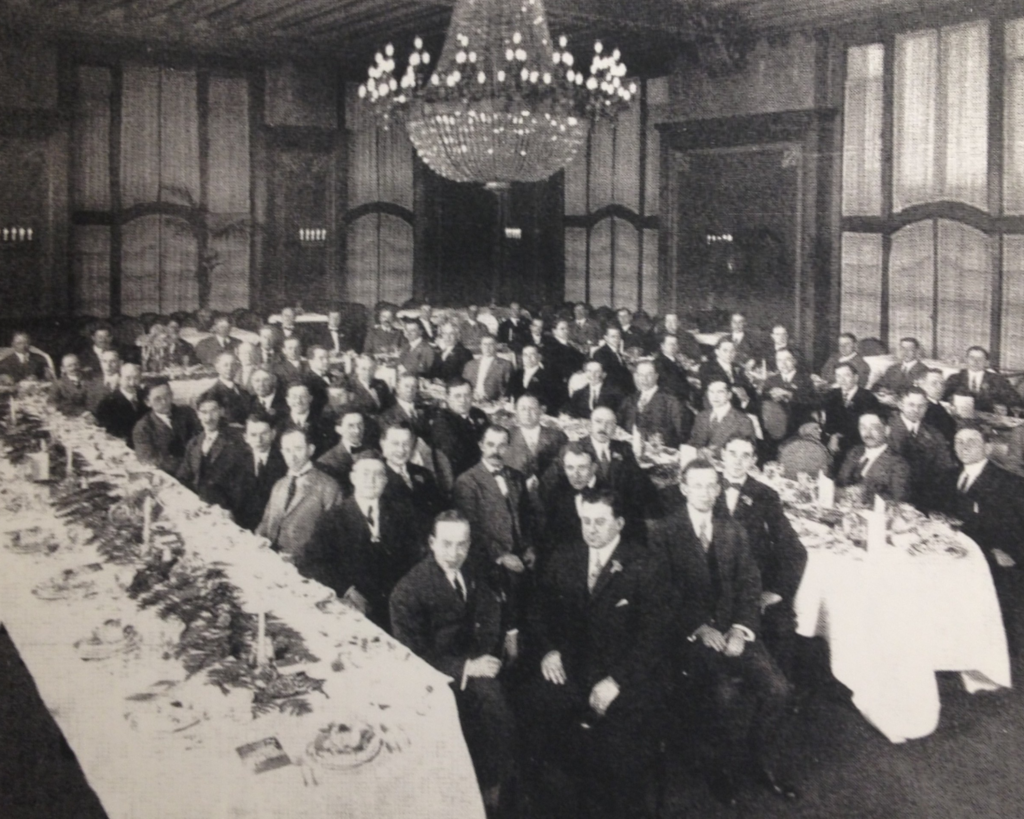
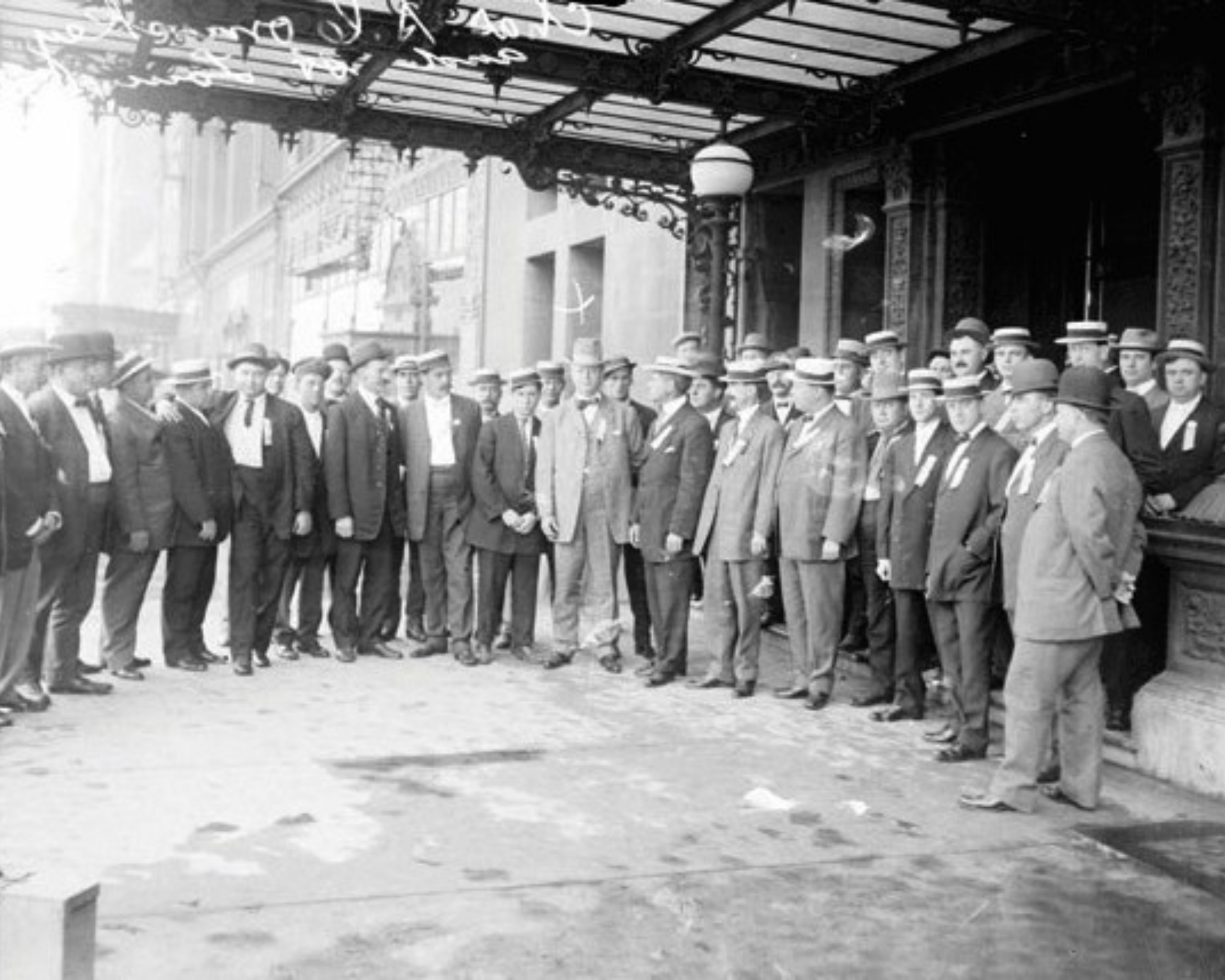
Founded in 1890 with a mission “to provide a setting for athletic, business, and social activities,” the Chicago Athletic Association emerged during a pivotal era when Chicago was rapidly becoming a national center of business, culture, and sport. Its founding members included some of the city’s most influential business leaders, among them A.G. Spalding, Cyrus McCormick, and Marshall Field. As Chicago prepared to welcome the world for the 1893 World’s Columbian Exposition, the club was completed in October 1893, opening with 3,000 members and a 10-year waiting list. As the club continued to grow, so did its home, with the Madison Street tower added in 1906 and again expanded in 1926.
A VENETIAN GOTHIC LANDMARK
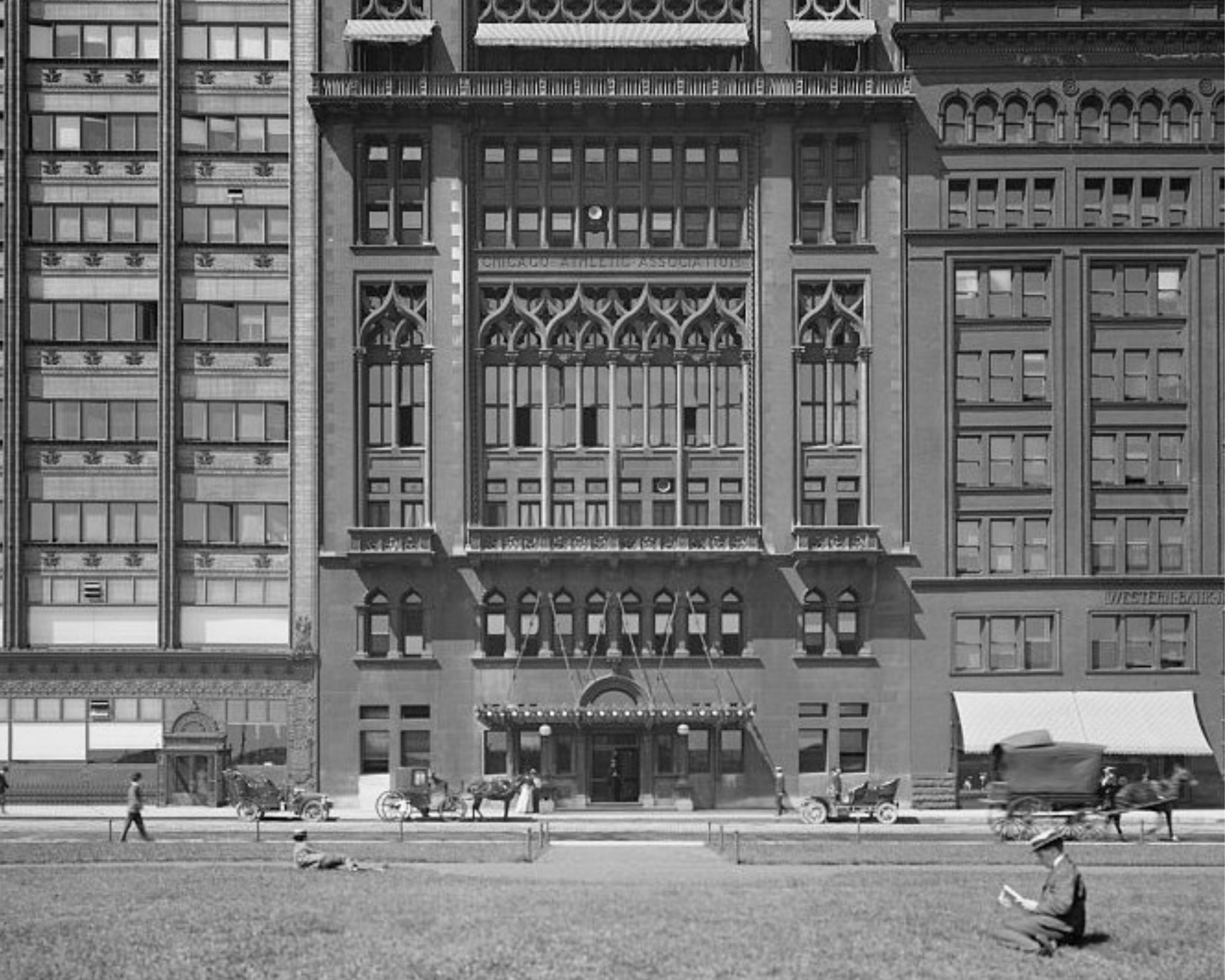
While the building was still just a thought, architect and club member Henry Ives Cobb was asked to design a grand new home on Michigan Avenue—one that would be as ambitious and distinctive as the city itself. Drawing inspiration from Venice’s Doge’s Palace, Cobb created a striking interpretation of Venetian Gothic architecture, crowned by a dramatic 250-foot tower. The result was an architectural landmark unlike anything else in the city, one that to this day anchors the Michigan Avenue streetwall. Pointed arches, carved stone, stained glass, marble, and richly detailed interiors give the building an unmistakable sense of grandeur, designed to command attention. Beneath its ornate exterior, the building also represented innovation, employing clay tile fireproofed steel and masonry construction—an approach that reflected both Cobb’s ingenuity and the ambition of a city still rebuilding and reinventing itself in the wake of the Great Chicago Fire of 1871.
A CHICAGO SYMBOL AND PLACE TO PLAY
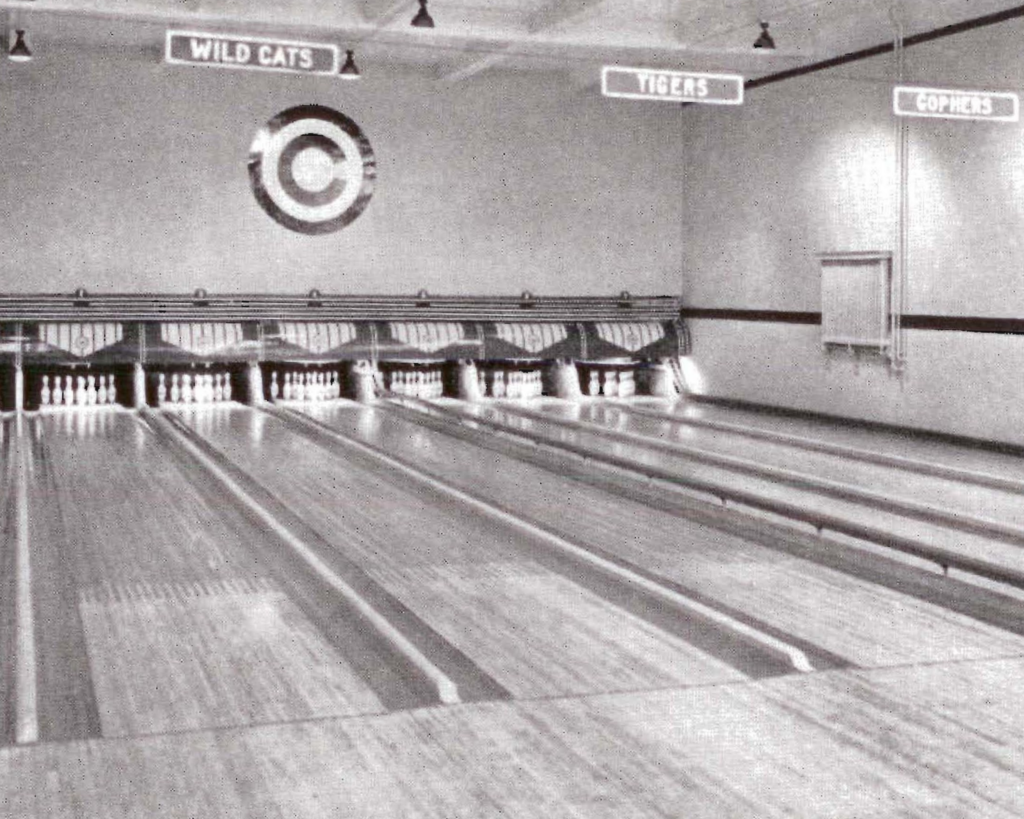
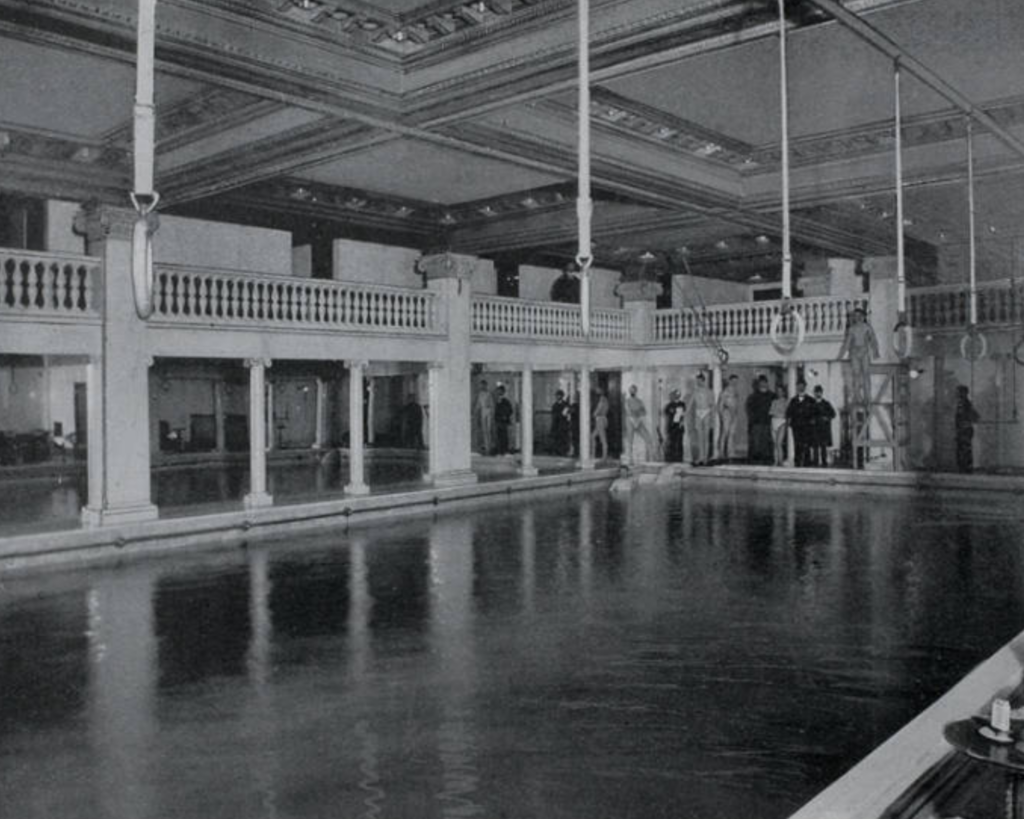
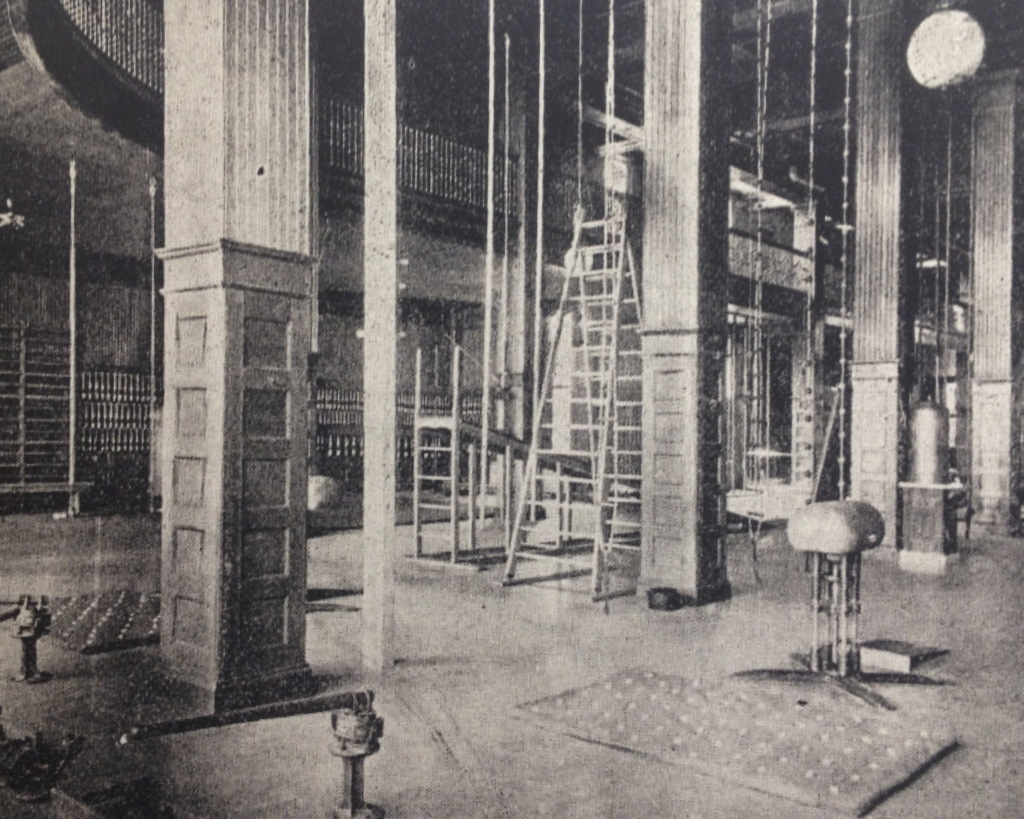
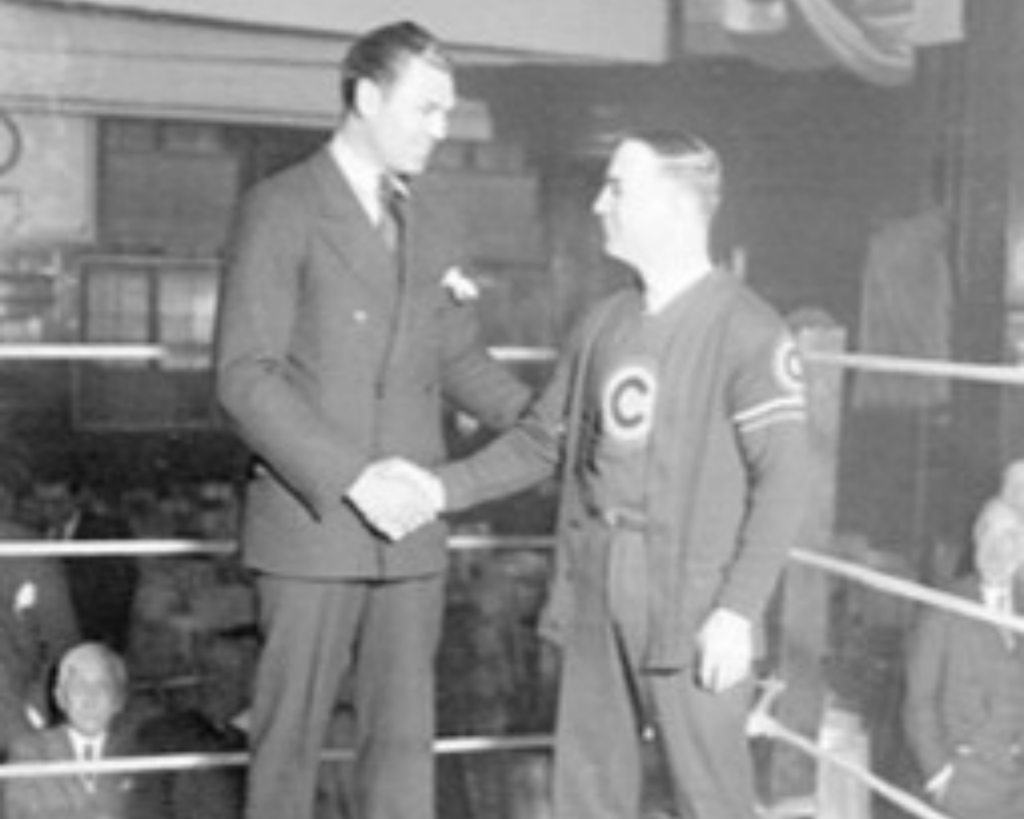
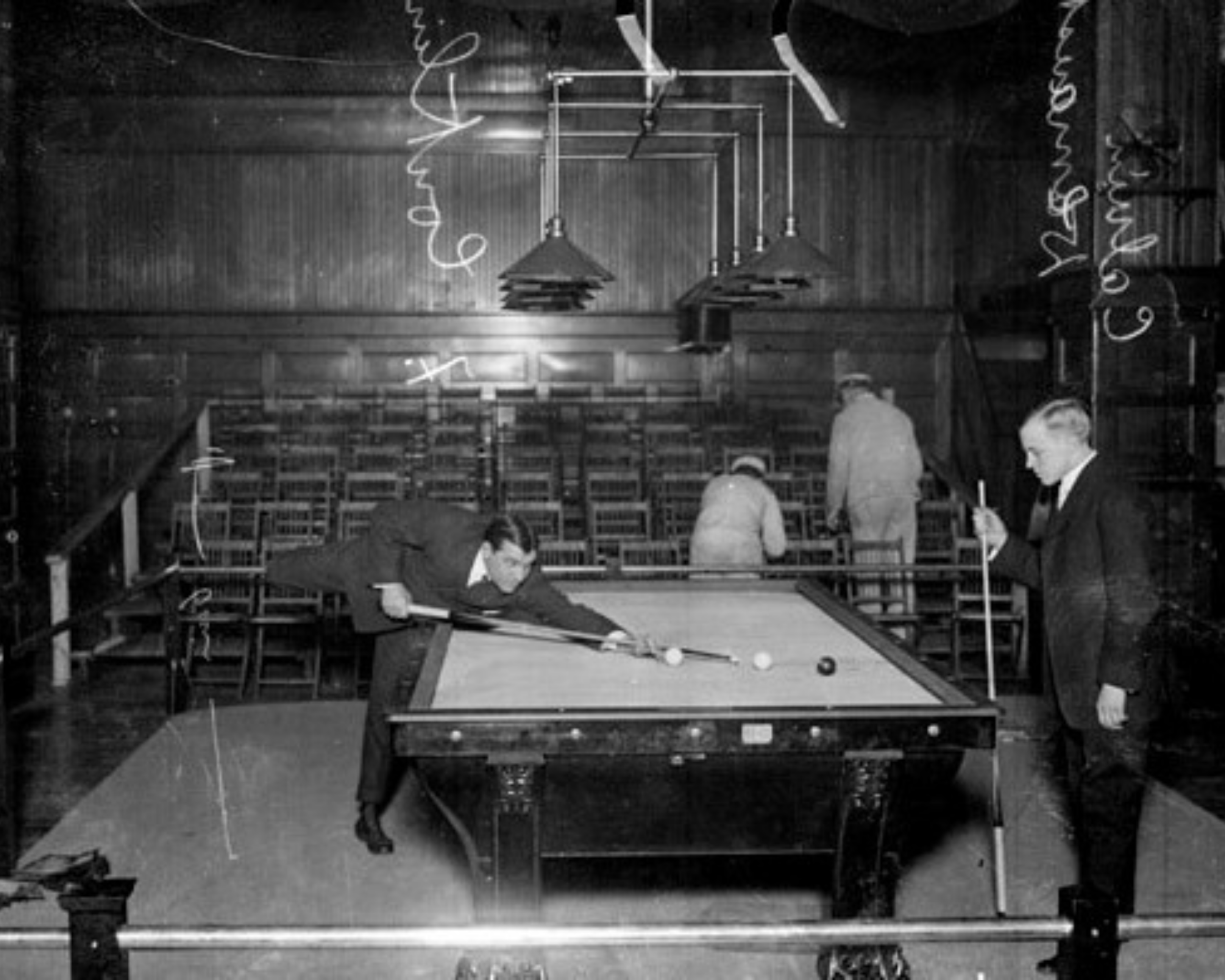
Sport, competition, and community have always been at the heart of the Chicago Athletic Association. Over the years, the club hosted national and touring teams in track and field, cycling, swimming, boxing, baseball, football, marksmanship, and gymnastics, with accomplished athletes and prominent Chicagoans among its members. One was William “Pudge” Heffelfinger, recognized as the first official paid professional football player, who reportedly earned $500 for his skills. The club’s influence even extended beyond its walls: its distinctive red, white, and blue encircled “C” emblem was shared with the Chicago Cubs after longtime club member William Wrigley acquired the team in 1917, creating a lasting connection to Chicago baseball history. Today, that legacy lives on in Stagg Court, the former gymnasium named for University of Chicago coach and club member A.A. Stagg, where guests can still enjoy a game of pickup basketball, and The Tank, the former swimming pool now transformed into a unique space for meetings, exhibits, and creative events.
A SURVIVAL STORY
Over the decades that followed, the club weathered changing times and periods of uncertainty, with women playing an important role in helping it endure. Extending “widow’s rights”—allowing widows of members to retain access to the club—helped sustain its membership and operations when many private clubs faced financial hardship during eras like both World Wars and the Great Depression. Eventually in 1972, 10 of its 200 female applicants were granted membership, marking a significant shift in the club’s history. Over the following decades, women’s role within the organization continued to grow, culminating in the appointment of its first female club president in the 1990s.
RESTORING A CHICAGO LANDMARK
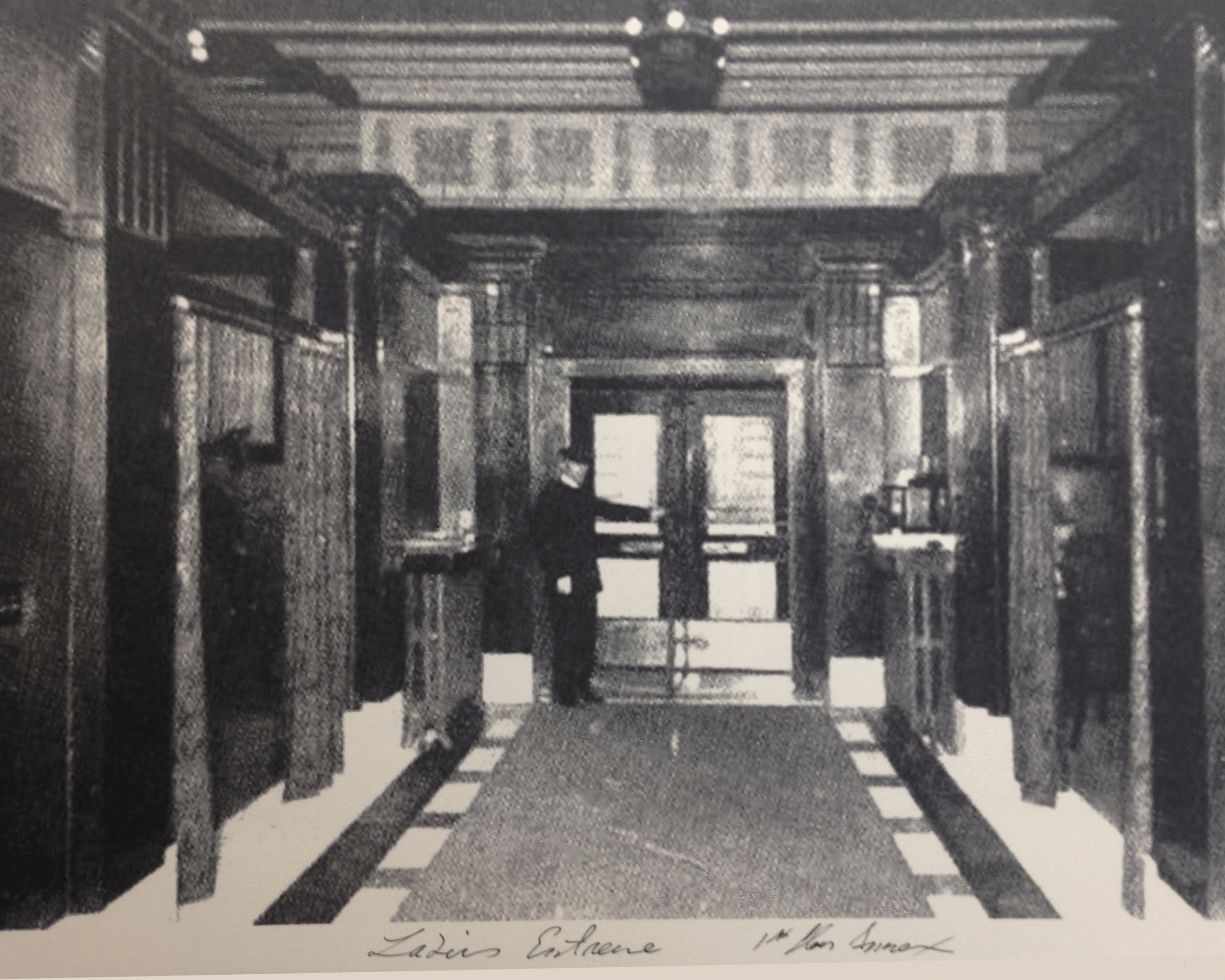
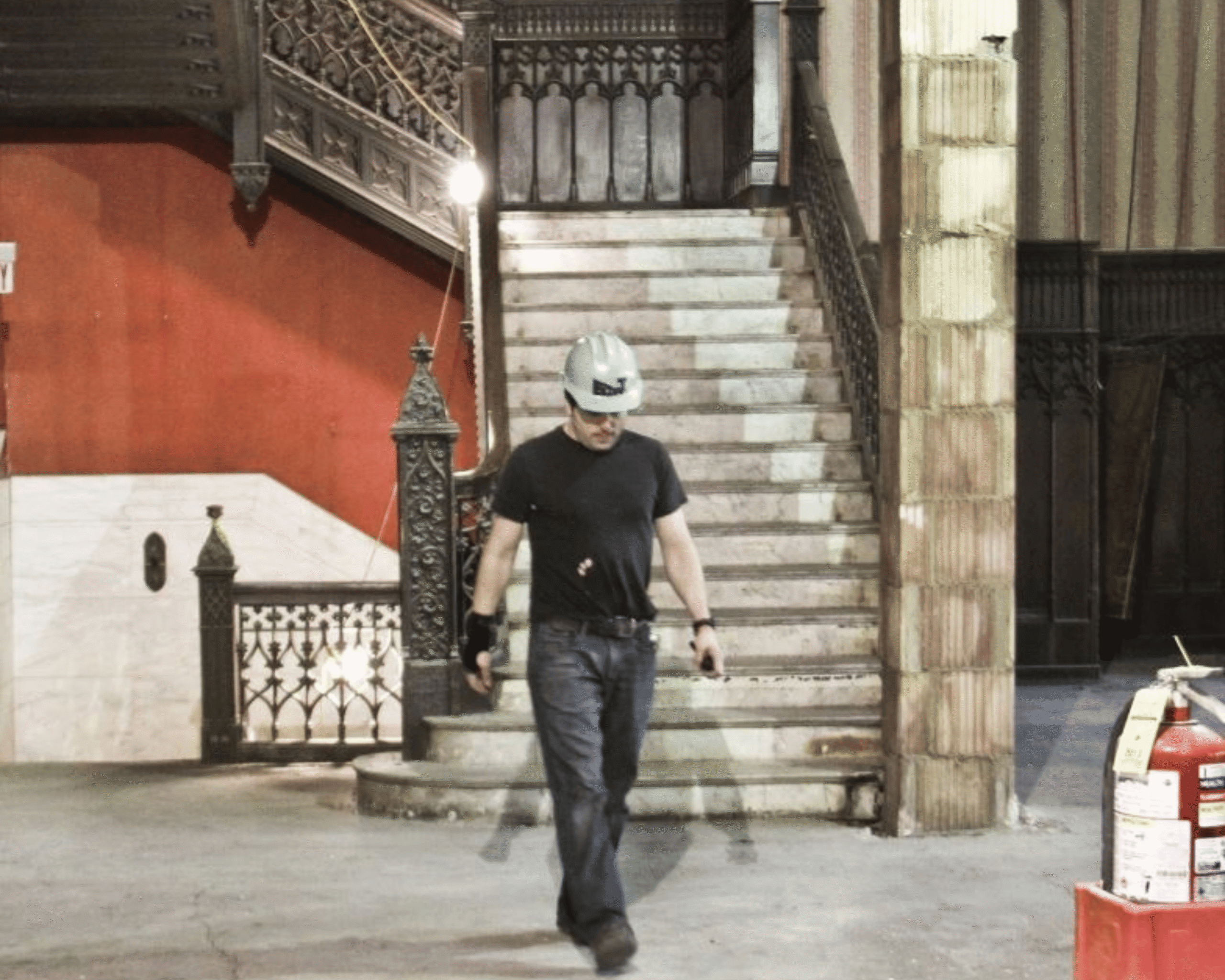
Serving as a private membership club for more than a century, 12 S. Michigan Avenue officially closed its doors in 2007. After sitting vacant for nearly six years, the building entered a new chapter in 2012, when more than 1,000 artisans, workers, local craftspeople, and suppliers came together to restore it. The extensive restoration preserved the character of the original building while introducing the comforts of a modern hotel—including correcting its 14-inch lean from north to south. Chicago’s Hartshorne Plunkard Architecture led the architectural and structural restoration, with interiors by renowned design firm Roman & Williams. Every effort was made to honor the original design, from hand-laid tile floors and German millwork to historic fireplaces, art glass, marble, and wood paneling. On May 27, 2015, the Chicago Athletic Association reopened as the hotel it is today: a place that feels both historic and alive, preserving more than a century of stories while making room for new ones.
THE STORY CONTINUES
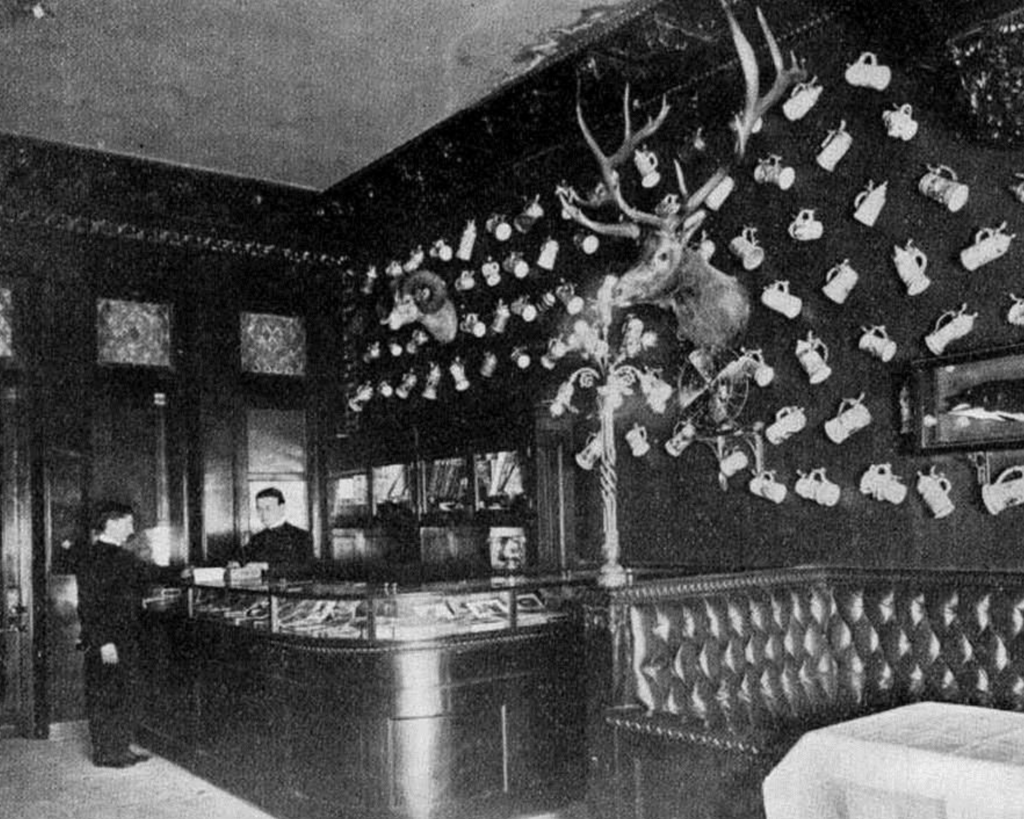
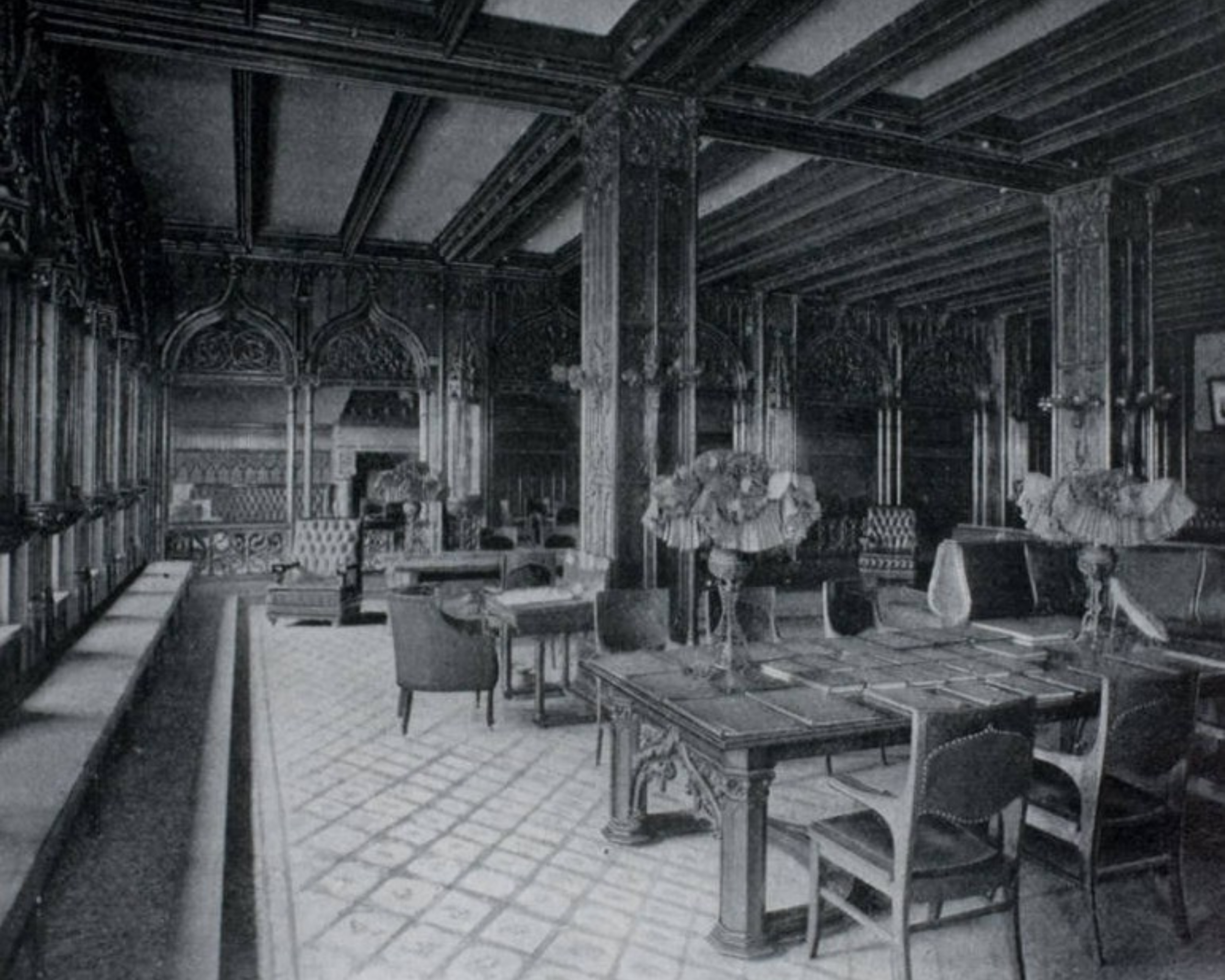
Today, guests and locals stay, dine, celebrate, play, and gather throughout these storied surroundings. The Drawing Room, once a gathering place for club members, now serves as the hotel lobby and food and beverage outlet, retaining its original millwork and three working fireplaces. The former cigar area is now home to Fairgrounds Coffee & Tea, while Shake Shack occupies what was once the men’s Turkish baths. The former men’s lounge has been reimagined as The Ives, a modern Grill Room, while a hidden room once serving as a Prohibition-era speakeasy is now Midōsuji, an intimate handroll bar. In the Game Room, original carved column caps and the club’s historic red, white, and blue “C” emblem offer further reminders of the building’s past.
A HISTORIC CHICAGO HOTEL, OPEN TO EVERYONE
Still standing tall as a historic hotel and landmark in downtown Chicago, the Chicago Athletic Association has evolved from a private club into a welcoming gathering place, carrying forward its legacy of competition, celebration, and connection. More than 130 years later, its doors are open to everyone, with a rich history not simply preserved, but given new life.
Come for the architecture, stay for the stories, and make a little history of your own.